Introduction
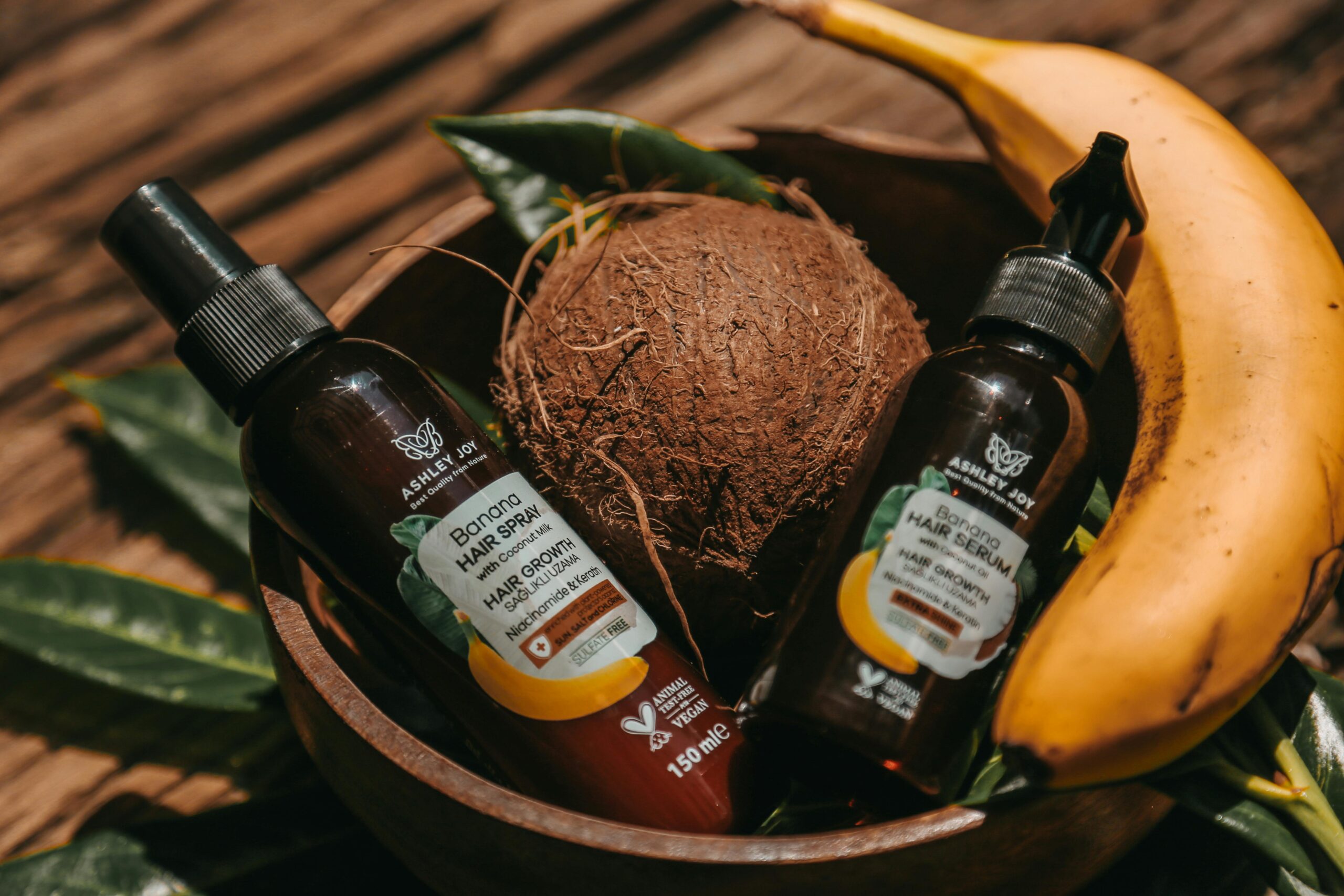
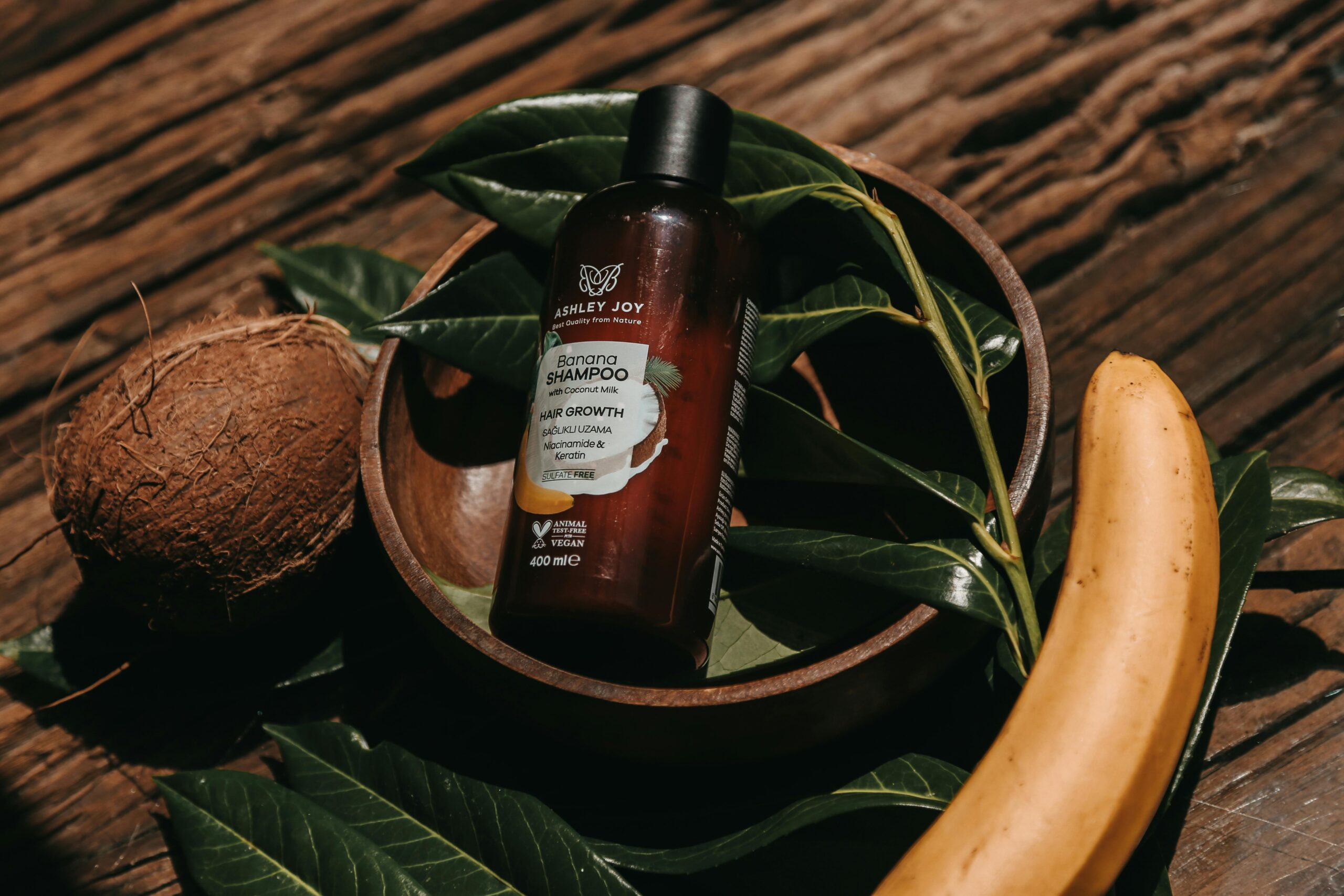
Packaging has become one of the most important elements in modern cosmetic branding. Beyond protecting products, packaging now plays a major role in shaping customer perception, improving product presentation, and strengthening brand identity.
Consumers today are increasingly attracted to beauty products with visually appealing, practical, and professional packaging designs. In a highly competitive beauty market, packaging can significantly influence purchasing decisions and customer experience.
As cosmetic trends continue to evolve, beauty brands are expected to develop packaging concepts that combine aesthetics, functionality, and modern branding strategies.
Minimalist Packaging Continues To Dominate
Minimalist packaging remains one of the strongest trends in the cosmetic industry. Modern consumers often associate clean and simple packaging with premium quality and professional branding.
Minimalist cosmetic packaging usually focuses on:
- Clean typography
- Neutral color palettes
- Elegant product layouts
- Functional packaging structures
This design approach helps products appear modern, organized, and visually appealing while maintaining a professional appearance.
Many beauty brands prefer minimalist packaging because it creates a timeless look that remains relevant across different market trends.
Soft & Natural Color Palettes
Modern cosmetic packaging trends increasingly use soft and calming color palettes inspired by skincare aesthetics and clean beauty concepts.
Popular color choices often include:
- Beige tones
- Soft white
- Pastel colors
- Earthy neutrals
- Soft blue and green accents
These colors help create packaging that feels elegant, gentle, and modern while supporting a clean beauty image.
Color selection also plays an important role in communicating product positioning and target audience preferences.
Functional Packaging Experience
Consumers today value packaging that is not only attractive but also practical and easy to use.
Functional packaging trends focus on:
- Easy application systems
- Travel-friendly packaging
- Pump bottle efficiency
- Hygienic product dispensing
- Refillable concepts
User-friendly packaging helps improve customer experience and product satisfaction.
As beauty routines become more practical and fast-paced, functional product packaging continues to gain importance within cosmetic product development.
Sustainable Packaging Awareness
Sustainability is becoming a growing focus within cosmetic packaging development. Many beauty brands are exploring environmentally conscious packaging strategies to reduce environmental impact.
Examples of sustainable packaging approaches include:
- Recyclable packaging materials
- Refillable packaging systems
- Reduced plastic usage
- Simplified packaging structures
Consumers are becoming more aware of sustainability issues and increasingly appreciate brands that prioritize environmentally responsible practices.
Although implementation levels vary between brands, sustainable packaging continues to influence future cosmetic packaging trends.
Packaging As Brand Identity
Packaging is often the first visual interaction customers have with a product. Strong packaging design helps brands create memorable impressions and improve product recognition.
Packaging elements that strengthen brand identity include:
- Logo placement
- Typography consistency
- Product labeling
- Packaging structure
- Visual storytelling
Modern beauty brands often use packaging to communicate brand personality, product positioning, and overall customer experience.
Professional packaging design can help products appear more premium, trustworthy, and competitive within the market.
Importance Of Packaging Consultation
Choosing suitable packaging can be challenging for growing beauty brands. Packaging decisions involve considerations related to:
- Product compatibility
- Packaging durability
- Brand identity
- Budget efficiency
- Customer experience
Packaging consultation services help brands select packaging solutions aligned with product concepts and market positioning.
Proper packaging planning also supports smoother production processes and more consistent product presentation.
Conclusion
Packaging trends continue to evolve alongside changing consumer preferences and beauty industry innovation. Modern cosmetic packaging now focuses on combining aesthetics, functionality, sustainability, and brand identity.
For beauty brands, packaging is no longer simply a protective layer but an important part of the overall customer experience and branding strategy.
Through thoughtful packaging development and modern design approaches, beauty products can become more visually attractive, professional, and competitive within the growing beauty market.